About Rebecca
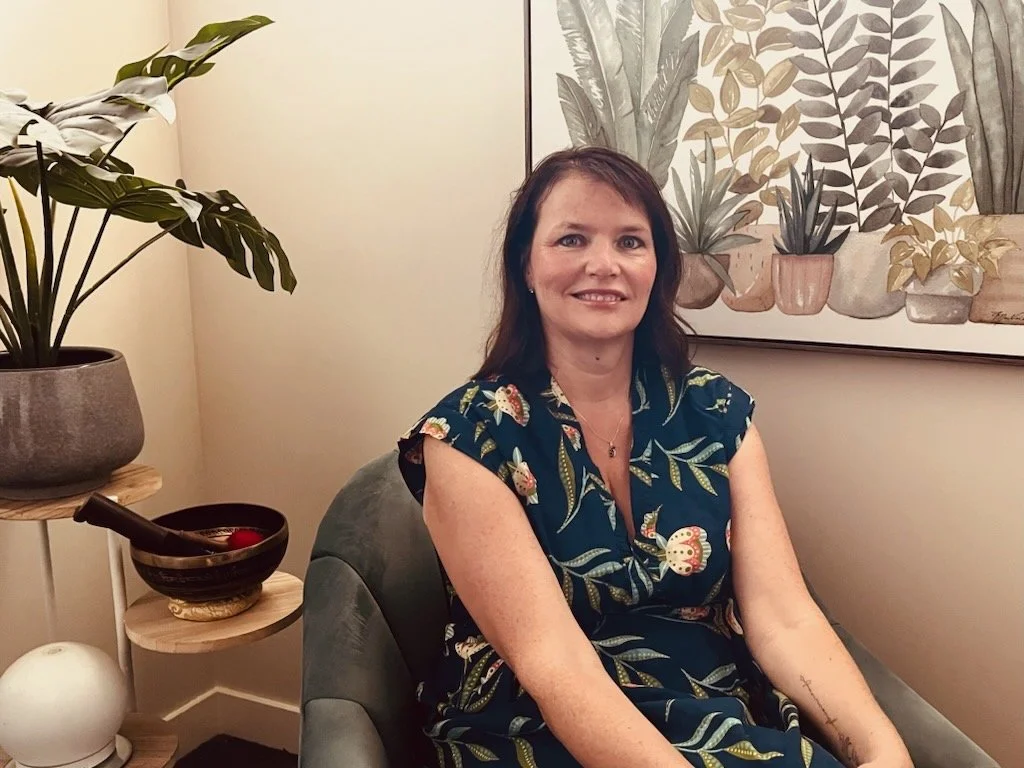
I’m Rebecca O’Donnell, an Accredited Mental Health Social Worker with over 20 years’ experience supporting adults, adolescents and families through complex and challenging life experiences.
My work is grounded in a deep respect for people’s resilience, lived experience and inner wisdom. I believe that many of the responses we associate with trauma are understandable adaptations to overwhelming experiences, and that with the right support, recovery and meaningful change are possible.
Professional Experience
Throughout my career, I have worked across mental health, sexual assault, trauma, family violence, legal and human services settings.
I spent ten years working within the specialist sexual assault sector, providing therapeutic support to victim-survivors and contributing to prevention, education and professional development initiatives.
My work has also included supporting current and former police members, Australian Defence Force and veteran communities, people impacted by crime, and professionals working within complex and high-pressure environments.
Alongside my clinical practice, I have developed and delivered education and professional development across government, legal, education, policing and community-service settings.
These experiences have shaped the way I practise: with an understanding that trauma does not occur in isolation, and that our relationships, workplaces, families, communities and broader systems can all influence both distress and recovery.
My Therapeutic Approach
I have a particular interest in understanding the ways trauma and other difficult life experiences can affect our sense of self, relationships, emotions and nervous system. These experiences may have their origins early in life through attachment disruptions or developmental trauma, or develop through experiences such as family violence, sexual assault, occupational trauma, loss or repeated exposure to distressing events.
With additional qualifications in Family Therapy and ongoing therapeutic training and professional development, my practice is trauma-informed, person-centred and integrative. I draw from a range of therapeutic approaches including EMDR, Internal Family Systems (IFS) informed therapy, Schema Therapy, Acceptance and Commitment Therapy (ACT), cognitive-focused and trauma-focused cognitive therapies, Polyvagal-informed practice, somatic and body-based approaches, and psychoeducation.
I don't believe that one therapeutic approach is right for everyone. My work is tailored to each person's experiences, needs and goals and may involve exploring patterns and relationships, processing traumatic experiences, working with thoughts and beliefs, developing an understanding of nervous system and body responses, strengthening emotional regulation, or developing practical strategies for everyday life.
My Family Therapy training also informs the way I understand people within the context of their relationships, families and broader systems. Whether working with individuals, adolescents or families, I consider the relationships and environments around us and the important role they can play in both distress and recovery.
Healing does not always happen in isolation. Safe and supportive relationships can be an important part of recovery and meaningful change.
Trauma and Relationships
I have a particular interest in understanding how trauma can affect relationships — whether those experiences occurred early in life through attachment disruptions and developmental trauma, or later through experiences such as family violence, sexual assault, occupational trauma or repeated exposure to distressing events.
With additional qualifications in Family Therapy, I work from an understanding that people exist within relationships, families and broader systems, and that these connections can play an important role in both our experiences of distress and our recovery.
When working with adults, adolescents and families, therapy may involve developing a greater understanding of patterns and responses, strengthening communication and boundaries, building safer relationships, and developing greater compassion for ourselves and others.
Healing does not always happen in isolation. Safe and supportive relationships can be an important part of recovery and meaningful change.
What You Can Expect
Finding the right therapist is important. I aim to provide a calm, respectful and non-judgemental space where you can feel heard and understood, without pressure to share more than you feel ready to.
My approach is collaborative and guided by your individual needs, experiences and goals. You are the expert in your own life, and my role is to bring clinical knowledge, curiosity and support as we work together to understand what is happening and what may help.
When working with me, you can expect:
A warm, respectful and non-judgemental therapeutic relationship
Therapy that moves at a pace that feels manageable for you
Choice and collaboration in how we approach the work
An approach that recognises your strengths and lived experience
Evidence-informed therapy tailored to your individual needs
Space to ask questions and understand the reasons behind the approaches we may use
You do not need to have everything worked out before coming to therapy. Part of our work together can be making sense of what you are experiencing and considering what you might need moving forward.

Clinical Supervision
Alongside my therapeutic work, I provide clinical supervision for social workers and other professionals working across mental health, trauma and human services settings.
My approach to supervision is reflective, relational and trauma-informed. I aim to provide a collaborative space where practitioners can explore complex clinical work, ethical considerations, professional development and the emotional impact of working alongside trauma and distress.
Supervision is grounded in curiosity rather than judgement, with a focus on strengthening confidence, reflective practice and sustainable ways of working.
For more information about my approach and the areas that can be explored in supervision, visit the Clinical Supervision page.
Training & Consultancy
Alongside my clinical practice, I develop and deliver training, professional development and consultation for organisations, teams and professionals working across human services and other complex practice environments.
My areas of interest include trauma-informed practice, psychological safety, sexual violence and consent, child safety, vicarious trauma and practitioner wellbeing, and understanding the ways that power, privilege and intersectionality can influence people's experiences of safety, support and services.
My training approach is practical, reflective and grounded in both evidence and extensive practice experience. I aim to create learning environments where complex and sometimes challenging topics can be explored with curiosity, respect and without shame.
Training and consultancy can be tailored to the needs, context and goals of individual organisations and teams.